Silver-studded Blue

Silver-studded Blue
Silver-studded Blue, Iping Common

Monday, 26 August 2013

Update on 2013 Butterfly Season

I've been a bit slack on writing my blog so thought I'd write an update on the 2013 Butterfly season so far.

On June 9th, myself and a small coach party from Sussex BC set off for the Isle of Wight. Our mission to see the Glanville Fritillary in its natural environment. First stop was Wheelers Bay. Whilst the site may have not been the prettiest (particularly as there was a lot of dog muck everywhere and the weather was pretty grim), the second stop truly was; wide sandy beaches, glorious blue sea, and crumbling multicoloured cliffs. Here, at Compton Bay, after hiking up the cliffs, we came across an area full of Glanvilles Fritillaries. Result.

After a few cancelled trips, Gary and I finally decided to make the journey down to Collard Hill in Somerset for the Large Blue. The emergence of these rare butterflies has been delayed this year and it wasn't until June 19th that we made the trip, a ~3-4 weeks after the normal emergence date. It was a glorious day, with temperatures in the mid 20's. On the way we stopped off at Cotley Hill in Wiltshire where we knew there was a small population of Marsh Fritillary. Luckily for us, the delayed emergence meant the butterflies were still on the wing. Pleased with this find, we headed off to Collard Hill. After 4-5 hours, scouring the site, we did have two albeit fleeting glimpses of a Large Blue, but no real photo opportunities. Nonetheless a great sighting. The probably the highlight of the day was an unexpected Clouded Yellow; both of us were very chuffed to see this continental beauty (what we didn't know then was what would happen later on in the year). A Small Elephant Hawkmoth was also a nice find.

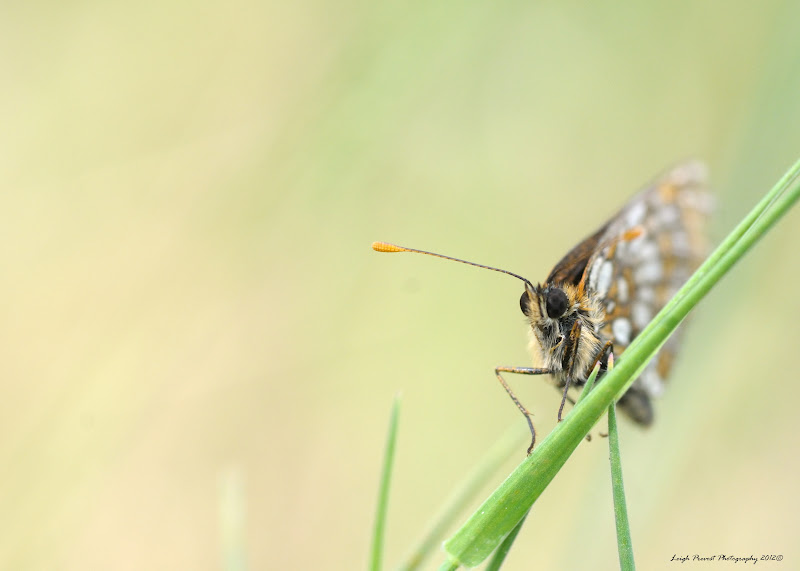
On June 29th I got up nice and early and found myself at Iping Common, West Sussex at 7am. A short search turned up my target , the Silver-studded Blue. What a stunning butterfly. As the sun was still quite low and the temperature relatively cool, the butterflies were still in roosting mode. Ideal for photography.

On July 13th I decided to try and find the elusive Purple Emperor at Botany Bay on the Sussex/Surrey border. In previous years I have had glimpses of this stunning butterfly high in the tree tops but nothing closer. Whilst we saw 4-5 individuals, plus lots of Silver-Washed Fritillaries, White Admirals, Ringlets, and a lone Wood White, unfortunately the Purple Emperors were staying above head height. However, others had seen them at ground-level in a different part of the wood, so I got up even earlier and set of again on the 14th. I was pleased I did as I managed to see my first ever Purple Emperor feeding on ground salts. We watched it fly down from the trees, circle a few times, flashing that amazing purple sheen, and eventually settle for 5-10 mins on the ground. Whilst we didn't see it resting with its wings open, it was still an impressive sight. Then, whilst walking back to the car, another found resting at eyeline on some foliage. Wow!

I didn't see any White-letter Hairstreaks last year, so whilst my wife and daughters were visiting a friends I decided to pop over to Hollingbury, Brighton on 28th July. It took me a while to find my first White-letter Hairstreaks but once I got my eye in, they seemed to be everywhere. I had at least 15 separate sightings but I couldn't say if they were all different individuals or not. They mainly favoured the Creeping Thistle. A notoriously difficult butterfly to photograph as they are often part hidden by something, I was pretty pleased with my attempts.

After seeing some great photos of the Silver-spotted Skipper, I decided to chance my luck. Again it was a two-day attempt. Day one was not successful with none being seen. After some further research I realised I had been in the wrong part of the site and at the wrong time of day. So with this information, I headed out early evening on the Sunday, following a hot and sunny day. The first few individuals I saw were buzzing about with no chance of any photography. However, as I was about to leave, and with the sun going down and the temperature start to fall, I spotted one. It settled on some vegetation and soon went into "roosting" mode. Now it was easy to photograph!
On Tuesday August 6th I was at Steyning Rifle Range, West Sussex where I saw a very pristine female Brown Hairstreak, well pristine bar a few missing scales from one of the forewings. I suspect it had either emerged on this day or the previous one.

A few early morning trips up to Kithurst Hill on the 10th and 20th August gave me some great photo opportunities of roosting Chalkhill and Common Blue, Brown Argus, and on the 20th my first Sussex Clouded Yellow of the year. I ~3 Clouded Yellows here, and then had another 6 sightings at Pulborough Brooks. It seems 2013 has been a very good year for this species with a large influx into the country. In parts they seem to be the commonest butterfly!

On August 25th however, things got even better! After seeing reports of a European Swallowtail in East Sussex (Windover Hill) on Friday and Saturday, and with the heavy rain and cold temperatures seemingly set in, I thought I'd chance my luck and see if it was still present in the am. Arriving at just before 7, I met Gary (Faulkner) and we trudged up the very steep chalk path to the site. An hour later and completely shattered after a seemingly fruitless search hiking up and down the slopes in the pouring rain, I'd all but given up. But luckily there were others searching and they eventually found it, just to the side of the main footpath. Oh how easy it could have been! It was seemingly in the same spot as it had been on Friday and Saturday, and wasn't moving fast! A beautiful butterfly even if it was a tad worn; I never thought I'd see a Swallowtail in Sussex so well chuffed :-)

So my total number of species for this year is 45.

List so far, alphabetically

1. Adonis blue
2. Brimstone
3. Brown Argus
4. Brown Hairstreak
5. Chalkhill Blue
6. Clouded Yellow
7. Comma
8. Common Blue
9. Dark Green Fritillary
10. Dingy Skipper
11. Duke of Burgundy
12. Essex Skipper
13. Gatekeeper
14. Glanville Fritillary
15. Green Hairstreak
16. Green-veined White
17. Grizzled Skipper
18. Holly Blue
19. Large Blue
20. Large Skipper
21. Large White
22. Marbled White
23. Marsh Fritillary
24. Meadow Brown
25. Orange Tip
26. Painted Lady
27. Peacock
28. Pearl-bordered Fritillary
29. Purple Emperor
30. Red Admiral
31. Ringlet
32. Silver-spotted Skipper
33. Silver-studded Blue
34. Silver-washed Fritillary
35. Small Blue
36. Small Copper
37. Small Heath
38. Small Skipper
39. Small Tortoiseshell
40. Small White
41. Speckled Wood
42. Swallowtail
43. Wall Brown
44. White Admiral
45. White-letter Hairstreak

(nb. only species not seen this year that I have seen in previous years are the Chequered Skipper, Grayling, Heath Fritillary, Lulworth Skipper, Purple Hairstreak, and Small Pearl-bordered Fritillary)
 

Sunday, 26 May 2013

France - Holidays!

Just back from a family holiday to France. Whilst it was a non-birding trip, ~70 species were seen over the 10 days.

We stayed in a small Gite in Secondigny teeming with wildlife; an idyllic location surrounded by lakes, woodland and orchard. Many highlights including breeding Golden Orioles, Black Redstarts, Swallows, Wrens, Robins and Goldfinch amongst others. We also had Cirl Buntings, Turtle Doves and Serins in the garden. However, it was a privilege to witness 3 Black Redstart chicks fledge from the nest in the barn next door and then watch their parents feed them over the next few days.

Other highlights from the trip included my first ever Melodious Warbler (I think it was anyway!), and Black Terns, Black Kites, and Montague's Harriers, plus a fleeting glimpse of a Hoopoe. Will post some more photos as I process them...

A list of all the birds I saw in around the Gite is below (the 'b' denotes evidence of breeding):


Male Black Redstart

Recently fledged Black Redstart
 
 Recently fledged Black Redstart
 
Male Black Redstart

Male Black Redstart
 
Male Black Redstart
 

Turtle Dove

Pretty sure this is a Melodious Warbler but stand corrected as never seen one before!
 

Female and male Cirl Buntings, respectively

Black Kite
 
Hobby
 
 
1. Blackbird

2. Black Redstart (b)

3. Blackcap

4. Blue Tit

5. Buzzard

6. Cuckoo

7. Chaffinch

8. Chiffchaff

9. Collared Dove

10. Carrion Crow

11. Cirl Bunting

12. Dunnock

13. Great Tit (b)

14. Green Woodpecker

15. Great-spotted Woodpecker

16. Goldfinch (b; btw there is a nest in the hedge between the 2 Gites I forgot to mention)

17. Greenfinch

18. Golden Oriole (b)

19. Grey Heron

20. Green Sandpiper

21. House Sparrow

22. Hobby

23. Kestrel (b)

24. Kingfisher

25. Magpie

26. Mallard

27. Moorhen

28. Robin (b)

29. Swallow (b)

30. Swift

31. Sedge Warbler

32. Starling

33. Spotted Flycatcher (b)

34. Serin

35. Sparrowhawk

36. Turtle Dove

37. White Wagtail

38. Woodpigeon

39. Wren (b)

Thursday, 25 April 2013

Old Lodge, New Birds

Decided to take the afternoon off as the weather was looking good for a change; at Old Lodge in Ashdown Forest some new birds for the year in the form of Redstart, Tree Pipit, Cuckoo (heard), and Raven (heard). Also Redpoll, Stonechat, Great Spotted Woodpecker, Green Woodpecker, Nuthatch, Sparrowhawk, Kestrel, Chiffchaff, and Willow Warbler. Thanks to Mick D for advice and company.

Sunday, 21 April 2013

Catching-up

I've been really bad with posting things to my blog of late, so thought I'd best catch up with the last few months!

In February I finally caught up with some local Waxwings in Worthing and then amazingly a very showy Snow Bunting at Gap Goring - whilst the Waxwings remained for a good few weeks unfortunately the Snow Bunting was gone after 1 day. Topping off a few good weeks!

Snow Bunting

Waxwing

Last Saturday (13th) I did a bit of volunteering - 'hides and trails' - at Pulborough Brooks. Arrived a bit too early but nonetheless still headed out onto the reserve to see what was around. Lots of newly arrived migrants, including up to 5 Nightingales, loads of Chiffchaff, and also my first Swallows and House Martin of the year. What with the lack of leaves on the trees, I managed some cracking views of singing Nightingales!

Nightingale

On Tuesday, a day off work saw my wife and I up at Beachy Head - the promise of good weather soon turned to disappointment with grey skies and drizzle welcoming us on arrival at Birling Gap. Soon after, the fog rolled in and visibility was reduced to a mere few metres! Nonetheless, we still managed to chalk up a few decent birds, Common Whitethroat, Chiffchaff, Willow Warbler, Stonechat, Sparrowhawk and at least 2 stunning Firecrest, the latter feeding amongst the leaf litter in Horseshoe Plantation.

Firecrest

On the 20th I was back at my parents and a brief trip to Coate Water CP saw my first Common Tern of the year and another Common Whitethroat - which I tried hard to turn into a Lesser Whitethroat but to no avail. Again lots of Chiffchaff and Willow Warblers about. Also I saw my first butterflies of the year today: Peacock, Small Tortoiseshell and Brimstone (all three in Highworth).

Today (21st) at Arundel WWT, there were lots of singing Sedge and Cetti's Warblers around the reserve - including this very obliging Sedge Warbler. Also 1 Reed Bunting, and good numbers of nesting BH Gulls.

Sedge Warbler

On way home, another quick stop at Warningcamp (third time) was finally rewarded with a brief glimpse of the Glossy Ibis (well it's head anyway!).


Tuesday, 5 February 2013

Beards in the Park

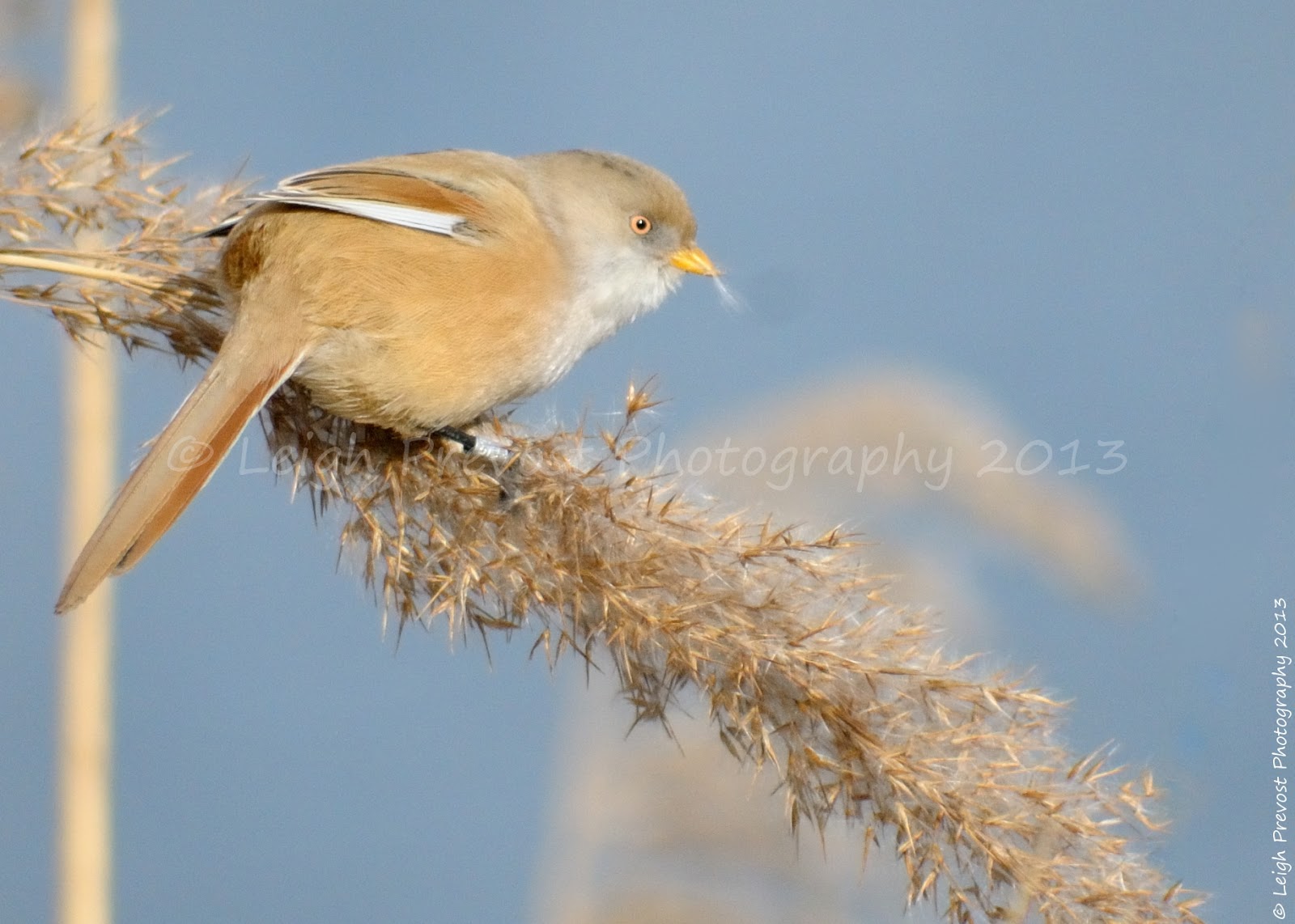
On our annual pilgrimage to the Wildlife Photographer of the Year Exhibition at the Natural History Museum today - we have been for the last 5 years - we decided to walk through Hyde Park to see if the 2 female Bearded Tits that had been present for the last few months were still there. And we were not to be disappointed. Wow. I had heard they were very obliging but I didn't expect to get so close. The reedbed is right next to the path and literally a metre or so in width. You could not miss them! The light wasn't too bad but it was a challenge to get any decent shots due to a number of factors, not least the constantly moving reeds and birds. However, I managed a few quite nice shots (below). Oh the exhibition was excellent too and highly recommended.


Saturday, 2 February 2013

Great White

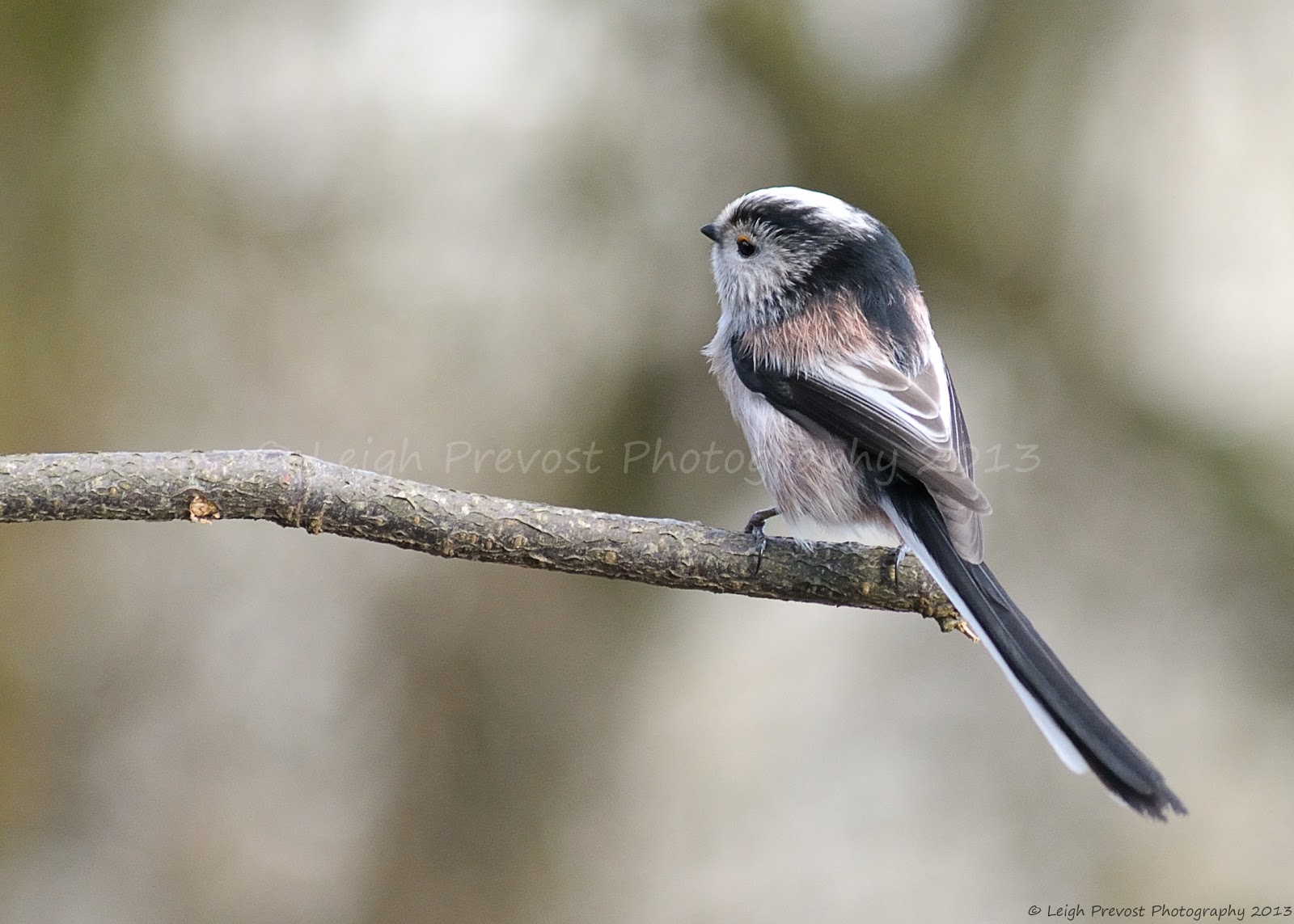
I used to go Birdwatching with the YOC around Coate Water, Swindon, Wiltshire in my youth, but have only been back 1-2 times in the last 20 years. Today, whilst visiting my parents I thought I'd call in to try and catch up with the Great White Egret that has been frequenting the Country Park for the last month or so, as this would be a first for me. I got lucky. Not only did I see the GWE (albeit fairly distantly), I also had my best ever views of a Water Rail (even better than the Pulborough Brooks bird). The Rail was feeding from a puddle just a few feet from the hide I was sat in (and nicely reflected too!). On the feeders, there were plenty of Tits, Great, Blue and Long-tailed (the latter in numbers I'd never seen before on a feeder). On the main lake there were a good number of Goosander too. A few photos below, including a poor record shot of the Great White Egret.

Water Rail

What you looking at?

Long-tailed Tit
 
Great White Egret


Great Tit


Wednesday, 23 January 2013

Fire and Snow

Having only ever seen one Firecrest prior to this year, yesterday I took a half day at work and headed over to Swanbourne Lake, Arundel where I had heard reports that there were some birds in the area; however, I never expected what I was about to witness. As soon as I arrived I picked up one bird on the floor near the lake's edge (close to the red metal gate/Yew in South-west corner), feeding amongst the leaf litter. I quickly took a few snaps but as it was still early and fairly grey, there was little light available below the trees. I then lost the bird and spent the next 30-45 minutes trying to re-locate it. Richard Ives arrived and after a while we both had good views of another (or the same bird) near the wooden gate. Richard soon departed but with the opportunity of getting very close to some Firecrest, I decided to stay on. My luck was in. For the next few hours, I was afforded the most incredible close-up views of at least three Firecrests (plus supporting cast of three Goldcrests). Most of the time they were actively feeding on the ground, amongst the leaf litter and at times, even under my feet! Whilst the light was challenging, I was rewarded for my patience, when one bird hopped up on to the fence (in full light!). I quickly snapped away and managed to get a few good pics. At one point, I nearly got a shot of the bird with a moth (or another insect) in its beak - now that would have been good! They are truly beautiful birds - some photos below. Other birds seen, included Grey Wagtail, Treecreeper, Nuthatch, a drumming Great Spotted Woodpecker, Chaffinch, Wren, Robin, Song Thrush, Gadwall, Moorhen, Coot, Black-headed Gull, Great, Blue and Long-tailed Tit, and Buzzard.


Sunday, 23 December 2012

Waxwings at last!

Determined to see a Waxwing this winter I gave in to the 'twitch' and drove over to Mayhew Road in Lewes at first light this a.m. I say first light if only there had been some! A very grey day meant some fairly grey looking birds for the majority of the time. However, those of us who were present were fortunate to get some incredibly close views when the birds made their regular sortie down to the berry bushes just a few yards from where we were stood. Fantastic birds. Seven birds were present until at least 11.15. Left feeling quite chuffed! p.s. Thanks Dave for the push in the right direction.


Friday, 10 August 2012

A Surprise Dinner Guest

Whilst celebrating my good lady wife's birthday at the excellent Crescent Road Restaurant, Worthing, this little chap or chapess made a surprise appearance. I suspect he/she was looking for a little extra sustainance before it takes the long flight over the water and on to Africa! Whether or not Pan Roasted Silver Mullet with Haricot Beans, Roasted Beetroot, and Fennel was to its taste we shall never know.

This is the first Grasshopper Warbler I have seen in many, many years and follows hot on the heels of another unusual Warbler sighting this year, the long-staying Yellow-browed Warbler in my work car park.

Monday, 30 July 2012

The only way is Essex

Having previously believed I hadn't seen an Essex Skipper, the last on my Sussex list, I've just found out I've seen one after all. Looking back at some old photos I found this little fella (or lady). The black tips underneath the antennae very distinctive - though how I missed this I don't know! Makes you wonder how many Essex are mistankenly identified as Small Skippers? They are probably much more widespread than we think. So I have now seen all regularly breeding Butterflies in Sussex.

Sunday, 29 July 2012

Windover Hill


Mid morning I made the long drive and hike up to Windover Hill in hope of catching my first Grayling sighting. On the way up Chalkhill Blues were everywhere to be seen, they were pretty much the only butterfly I saw. On Windover Hill itself it didn't take too long before I was on my hands and knees looking at my first ever Grayling, to others it might have seemed I was just looking at a bare patch of earth, due to their fantastic camouflage. It is true what they say, off the 10 or more I saw, not one opened it's wings for me, or took advantage of a more loftier position. The ground was good enough. Furthermore, I only caught a glimpse of the eye patch on a few occasions. There were a couple of mating pairs as well. Other highlights include an all but brief glimpse of a Silver-spotted Skipper, a Small Heath and numerous Meadow Browns. Walking back down the South Downs Way, I ticked off Gatekeeper (lots around the Gorse Scrub just before the top of the chalk track), at least 5 Dark-green Fritillaries, and 2 Marbled Whites. Back at the 'bumpy' carpark in the Southwest corner, there was a small population of Whites, including Large, Small, and Green-veined. I also saw a Six-spot Burnet Moth which had just emerged from its papery cocoon.

I have now seen all but one (Essex Skipper) of the regularly breeding Sussex species (n = 45); list as follows (underline = 2012 sightings):

1. Adonis blue
2. Brimstone
3. Brown Argus
4. Brown Hairstreak
5. Chalkhill Blue
6. Clouded Yellow
7. Comma
8. Common Blue
9. Dark Green Fritillary
10. Dingy Skipper
11. Duke of Burgundy
12. Gatekeeper
13. Grayling
14. Green Hairstreak
15. Green-veined White
16. Grizzled Skipper
17. Holly Blue
18. Large Skipper
19. Large White
20. Marbled White
21. Meadow Brown
22. Orange Tip
23. Painted Lady
24. Peacock
25. Pearl-bordered Fritillary
26. Purple Emperor
27. Purple Hairstreak
28. Red Admiral
29. Ringlet
30. Silver-spotted Skipper
31. Silver-studded Blue
32. Silver-washed Fritillary
33. Small Blue
34. Small Copper
35. Small Heath
36. Small Pearl-bordered Fritillary
37. Small Skipper
38. Small Tortoiseshell
39. Small White
40. Speckled Wood
41. Wall Brown
42. White Admiral
43. White-letter Hairstreak
44. Wood White

Wednesday, 25 July 2012

Sussex Walkabout

Chalkhill Blue, Lysandra coridon

Chalkhill Blue, Lysandra coridon

Silver-studded Blue, Plebeius argus

Silver-studded Blue, Plebeius argus

Small Copper, Lycaena phlaeas

Small Copper, Lycaena phlaeas


With the promise of some sun at last I decided to take a day's holiday and tour some of Sussex's Butterfly hotspots. The only decision I had to make was East or West. I plumped for West.

My first stop was Kithurst Hill. What a fantastic place at this time of the year, the meadow was alive with Butterflies! Freshly emerged Chalkhill Blues were everywhere, too many to try and count, ditto Meadow Browns. There were also many Marbled Whites, numerous Small Skippers which I tried to turn into Essex Skippers to no avail, a handful of Large Whites, one Small Blue (second brood), a few Gatekeepers, and one Small Copper. Best of all, and unexpected, were two Dark-green Fritillaries patrolling the lower slope by the hedgerow.

After Kithurst, it was on to Iping Common, I didn't get the chance to see the Silver-studded Blues earlier on in the year but hoped I may catch a few lingerers. In total I counted at least fourteen albeit, fairly worn specimens. Apart from the Blues it was fairly quite, a few Skippers, Meadow Browns and a Speckled Wood.

Next stop, and last of the day, was Southwater Wood in the hope of catching a glimpse of "His Majesty". I parked up at Trout Lane and headed to the Master Oak. Within a few minutes (at 2PM on the dot) a Purple Emperor flitted across the glade, soon after a pair (?) followed along the same path. I didn't have long to wait for another sighting, just five minutes or so. However, they were all flitting, tantilising glimpses. Eventually after a thirty minute wait or so, I saw one land in the Ash and managed to get a record shot. Whilst looking skyward I noticed at least two Purple Hairstreaks in the canopy of the Master Oak, one spiralled downwards but I couldn't keep track of it. Damn! After a brief stroll around the woods I returned to the Master Oak. Where again "His Majesty" made a few fleeting appearances over the next thirty minutes or so. I counted at least three individuals possibly five but hard to say. I also met Dan and his wife who were as chuffed as I was to final catch sight and photograph this elusive Butterfly. I should note also that I also saw one Red Admiral three-to-four Silver-washed Fritillaries, numerous Meadow Browns, Large Whites, Skippers, and one Comma. Notably no White Admirals though.

All in all a good day out butterflying, finally. Total tally for the day sixteen.

Monday, 16 July 2012

Skip Skip Hooray

After a fairly forelone summer of butterflying, the last couple of weekends have proved fairly more fruitful. Hot on the tails of the Heath Fritillary last Saturday at East Blean Woods, I saw my first Lulworth Skippers at Durlston Country Park, Dorset. This brings my UK Butterfly List to 47 and I have now seen all the UK Skippers bar the Essex Skipper. Whilst often overlooked I find Skippers strangely beguiling Butterflies. A few shots below.

Lulworth Skipper - Thymelicus acteon

Lulworth Skipper - Thymelicus acteon, the distinguishing yellow crescent on the wings is quite clear in this shot

Small Skipper - Thymelicus sylvestris

Small Skipper - Thymelicus sylvestris

Small Skipper - Thymelicus sylvestris

Saturday, 7 July 2012

A Butterfly at last... and what a good one!

What with the terrible weather I haven't braved it out with my camera for a long time; however, with a trip to see the in-laws down in Kent I decided to call in at East Blean Woods near Canterbury. Must have passed close to this place 50 times or so without realising that it is home to a small population of one of our rarest butterflies, the Heath Fritillary or Melitaea athalia by its latin name.

While conditions were almost perfect, I wasn't going to get that lucky and the wind played havoc with my photography to say the least. However I did manage a few shots that I was pretty pleased with. Please see my favourites below (please click on image to view at high resolution) - the last one demonstrates the difficulties I had but I quite like it nonetheless - feels a little dreamlike (nb I also rotated this 90 degrees anticlockwise as I prefered the composition). I think my UK list now stands at 46/59 species - as a child I have a memory of seeing a Swallowtail Caterpillar but I cannot confirm so have not included.